Life as a Mechanic in a Part 145 Repair Station
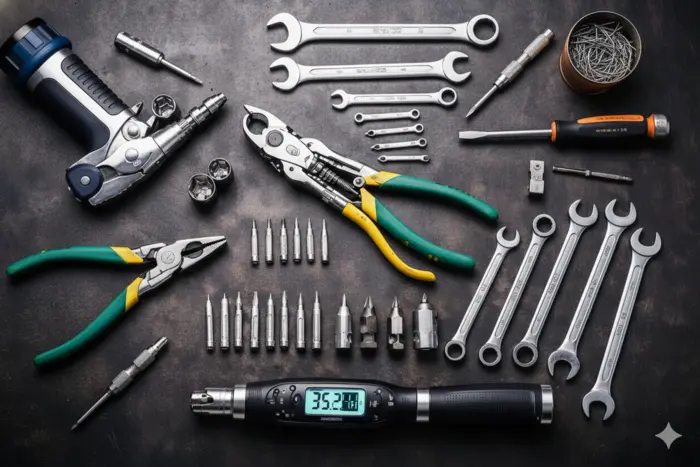
Working as an aircraft mechanic in a Part 145 repair station offers one of the most structured, safety‑driven, and professionally rewarding environments in aviation maintenance. Unlike line maintenance or field repairs, a Part 145 shop operates under strict FAA regulations that shape everything from workflow and documentation to tooling, training, and quality control. For many A&P mechanics—especially those early in their careers—this environment provides stability, mentorship, and a clear path for long‑term growth.
A Structured, Safety‑First Work Environment
Part 145 repair stations are built around consistency and compliance. Every task is governed by manuals, approved data, and documented procedures. For mechanics, this creates a predictable rhythm: you know what’s expected, how work should be performed, and how quality is measured. Daily responsibilities often include:
-
Performing scheduled inspections and component overhauls
-
Troubleshooting discrepancies using manufacturer data
-
Completing detailed log entries and repair documentation
-
Following strict tool control and FOD prevention practices
-
Collaborating with inspectors, engineers, and quality assurance teams
This structure doesn’t limit creativity—it enhances it. Mechanics learn to think critically within a framework that prioritizes safety and precision.
Hands‑On Experience With Specialized Components
One of the biggest advantages of working in a Part 145 shop is exposure to component‑level maintenance. Instead of only performing line checks or quick turn repairs, mechanics often work on:
-
Engines and APUs
-
Landing gear assemblies
-
Avionics components
-
Hydraulics and pneumatics
-
Sheet metal and composite structures
This deep, hands‑on experience builds technical mastery and makes mechanics more competitive in the job market. Many technicians discover niche specialties—like NDT, structures, or avionics—that become lifelong career paths.
A Culture of Documentation and Professionalism
If there’s one thing every Part 145 mechanic learns quickly, it’s that paperwork matters as much as the repair itself. Every action must be traceable, verifiable, and compliant with FAA standards. This emphasis on documentation teaches mechanics to:
-
Communicate clearly
-
Follow procedures precisely
-
Maintain accountability
-
Understand regulatory requirements
These skills translate directly into higher‑level roles such as inspector, lead technician, or quality assurance specialist.
Career Growth and Long‑Term Stability
Part 145 repair stations are known for offering stable schedules, predictable workloads, and opportunities for advancement. Many shops provide:
-
Ongoing training and recurrent education
-
Cross‑training between departments
-
Opportunities to earn additional certifications
-
Clear promotion pathways
For new A&P mechanics, this environment is ideal for building confidence and competence. For experienced technicians, it’s a place to refine expertise and step into leadership roles.
Why Many Mechanics Choose Part 145 Work
Life in a Part 145 shop is structured, methodical, and deeply rewarding for those who value precision and professionalism. You’re part of a team that ensures aircraft components meet the highest standards before returning to service. The work is steady, the expectations are clear, and the opportunities for growth are substantial.
If you’re exploring aviation maintenance as a career—or looking for your next step as an A&P—Part 145 repair stations offer a strong foundation and a long runway for advancement.