Beyond the Flight Deck: The Chief Pilots Role
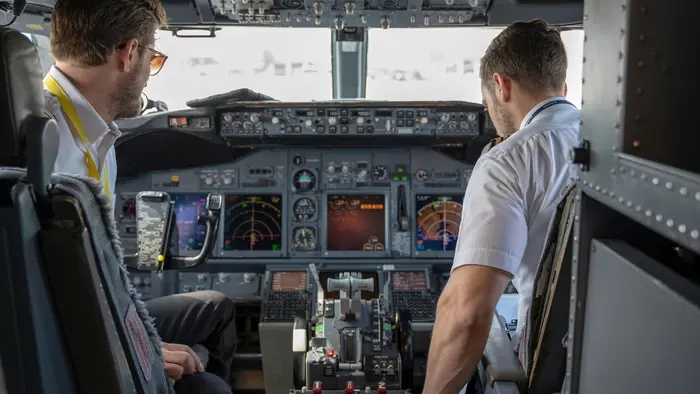
For the commercially certificated pilot aspiring to advance within corporate aviation, the role of Chief Pilot represents a significant career progression. This position extends beyond the realm of proficient flight operations, demanding a comprehensive skill set encompassing leadership, administration, and strategic management.
The Demands of the Role: Beyond Technical Proficiency
While technical expertise and operational proficiency are fundamental prerequisites, the Chief Pilot's responsibilities transcend the immediate conduct of flight. This role necessitates the assumption of significant administrative and managerial duties, requiring a nuanced understanding of regulatory compliance, personnel management, and operational efficiency.
Core Responsibilities: Universal to All Operational Scales
Regardless of the size and scope of the corporate flight department, certain fundamental responsibilities remain constant:
- Pilot Recruitment and Selection: The Chief Pilot is responsible for the rigorous evaluation and selection of qualified flight personnel, ensuring adherence to stringent company standards and regulatory requirements.
- Pilot Training and Proficiency Maintenance: The development and implementation of comprehensive training programs, coupled with the rigorous maintenance of pilot proficiency, are essential for operational safety and regulatory compliance.
- Flight Scheduling and Crew Management: The efficient and effective scheduling of flight operations and the management of crew duty times are critical for operational efficiency and regulatory adherence.
- Administrative and Managerial Oversight: The Chief Pilot is responsible for the meticulous management of administrative functions, including budgetary oversight, regulatory compliance, and record maintenance.
- Leadership and Safety Culture Promotion: The cultivation of a robust safety culture and the provision of effective leadership are paramount for operational integrity and crew morale.
Operational Variations: The Influence of Departmental Scale
The specific responsibilities of the Chief Pilot are subject to variation based on the size and scope of the corporate flight department:
- Smaller Flight Departments: In smaller operations, the Chief Pilot may assume a wider range of administrative duties, including human resources and financial management.
- Larger Flight Departments: In larger operations, the Chief Pilot's focus shifts towards strategic planning, policy development, and the standardization of operational procedures.
The Dual Nature of the Role: Technical and Managerial Competence
The Chief Pilot must possess a dual proficiency, exhibiting both technical competence in flight operations and managerial acumen in administrative and leadership functions. This combination of skills is essential for the effective management of corporate flight operations.
The Professional Opportunity: Beyond Operational Execution
The Chief Pilot role represents a significant professional opportunity for those seeking to contribute to the strategic and operational success of a corporate aviation department. This position demands a commitment to excellence, a dedication to safety, and a capacity for effective leadership.
Conclusion:
The Chief Pilot role is not merely an extension of flight operations; it is a distinct leadership position that requires a comprehensive skill set and a commitment to professional excellence. For the commercially certificated pilot seeking to advance their career, this role presents a challenging and rewarding opportunity.